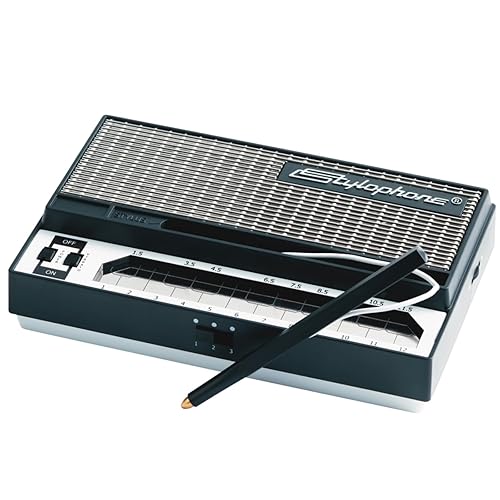
Stylophone Original Pocket Synthesizer
A characterful synthesizer (pocket synth) for hands-on synthesis.
A synthesizer lets you create your own sounds - basslines, leads, pads and textures - by shaping electronic tones with oscillators, filters and envelopes. The choice comes down to the synthesis engine (analog or digital), whether it plays one note or many, the format (keyboard, desktop or pocket), and how it fits your setup. This guide explains what matters, then lists our top picks.
For warm analog character and hands-on tweaking, an analog synth (Behringer, Moog, Korg Monologue); for flexibility and modern sounds, a digital or hybrid (Arturia MicroFreak, Waldorf); for basslines, a monosynth (Behringer TD-3, Novation Bass Station); and for fun, learning and portability, a Korg Volca or Stylophone. Decide the sound and whether you need to play chords, then the format that suits your setup.
We rank on real-world usefulness: sound and synthesis, playability, connectivity and format. We don't show scraped prices or star ratings; our editorial score reflects how good each is for actually making music. A synth is standalone hardware for sound design (no computer needed) - it's not a workstation, stage piano or arranger keyboard. Check the live Amazon price, as synths are often discounted.
A characterful synthesizer (pocket synth) for hands-on synthesis.

A characterful synthesizer (analog, monophonic) for hands-on synthesis.

A characterful synthesizer (analog, monophonic) for hands-on synthesis.

A characterful synthesizer (analog, monophonic) for hands-on synthesis.

A characterful synthesizer (pocket synth) for hands-on synthesis.

A characterful synthesizer (pocket synth) for hands-on synthesis.

A characterful synthesizer (analog, monophonic) for hands-on synthesis.

A characterful synthesizer (analog, monophonic) for hands-on synthesis.

A characterful synthesizer (analog, monophonic) for hands-on synthesis.

A characterful synthesizer (analog, monophonic) for hands-on synthesis.
It depends on your sound and needs: analog synths (Behringer, Moog, Korg Monologue) for warm character; digital/hybrid (Arturia MicroFreak, Waldorf) for flexibility; monosynths (Behringer TD-3, Novation Bass Station) for bass; and Korg Volca or Stylophone for affordable fun. Decide analog vs digital, mono vs poly, and the format, then match a synth to your setup.
No - a hardware synth makes sounds and (if it has a sequencer) plays patterns entirely on its own. You can connect it to a computer and DAW via MIDI or USB to record or sequence, but the whole appeal is hands-on sound design that works standalone.
A synthesizer creates and shapes sounds from scratch with oscillators and filters, giving deep sound-design control; an arranger or home keyboard mainly plays preset instrument sounds and backing styles for songs. Some synths have keys and some don't - the difference is that a synth is about designing sounds, not just playing presets.
Our top pick is the Stylophone Original Pocket Synthesizer (our score 9.6/10) - A characterful synthesizer (pocket synth) for hands-on synthesis..