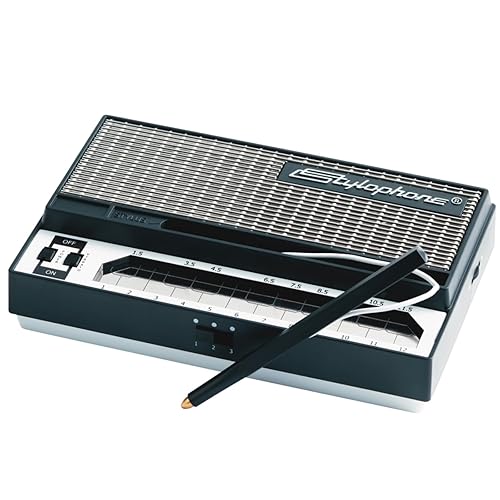
Stylophone Original Pocket Synthesizer
A characterful synthesizer (pocket synth) for hands-on synthesis.
Synthesizers range from pocket-sized to studio flagships, and the right choice depends on the sound you want, how you'll play it, and how it fits your gear. This guide walks through the key decisions.
The synthesis engine shapes the character. Analog synths generate sound from circuits, giving warm, rich, living tones and the immediacy of tweaking a knob and hearing it instantly - the classic sound behind decades of music. Digital synths generate sound with processing (including wavetable and FM), offering a huge sonic range, cleaner or more modern and evolving tones, and often more presets and features for the money. Hybrids combine both. None is better - analog is about warmth and hands-on character, digital about flexibility and range. Choose the sound you're drawn to.
This is a crucial, often-overlooked choice. A monophonic synth plays one note at a time - perfect for basslines, leads and classic analog sounds, and often cheaper and more hands-on. A polyphonic synth plays several notes at once, so you can play chords and pads - essential if you want harmony and lush textures, but usually pricier. Many great, affordable synths are monosynths, so be clear whether you need chords: if you mainly want bass and leads, mono is fine and often better value; if you want to play chords, you need polyphony.
Synths come as keyboards (with keys to play directly - the most immediate format), desktop/module units (no keys, played from a controller or DAW, space-saving), and pocket synths (tiny, portable, fun). Consider hands-on controls - knobs and sliders per function make sound design intuitive and enjoyable, versus menu-diving. A built-in sequencer or arpeggiator lets you program and play patterns standalone, without a computer, which is great for jamming and building parts. Match the format and controls to how you like to work.
Check how it connects to the rest of your setup: MIDI and USB let it sync and play with a DAW, keyboard or other instruments; CV/gate and patch points (on semi-modular synths) connect it to modular and vintage gear. A synth is standalone hardware for creating and shaping sounds - it rewards experimentation and teaches you sound design faster than software, because you hear every tweak instantly. It's not a workstation, stage piano or arranger keyboard (which play preset sounds and styles). Pick the engine, voicing and format for your music, and a synth becomes an endless source of sounds.
A characterful synthesizer (pocket synth) for hands-on synthesis.

A characterful synthesizer (analog, monophonic) for hands-on synthesis.

A characterful synthesizer (analog, monophonic) for hands-on synthesis.

A characterful synthesizer (analog, monophonic) for hands-on synthesis.

A characterful synthesizer (pocket synth) for hands-on synthesis.

A characterful synthesizer (pocket synth) for hands-on synthesis.
Start with the synthesis engine (analog for warmth, digital for flexibility), then whether you need monophonic (bass, leads) or polyphonic (chords), the format (keyboard, desktop or pocket), hands-on controls, a sequencer, and the connectivity to fit your gear. Be clear on mono vs poly - it's the choice people most often get wrong.
There's depth to master, but the basics are quick - on a hands-on synth you tweak a knob and hear the change instantly, which teaches sound design faster than software. You can make sounds within minutes and grow from there. Affordable, knob-per-function synths (Korg Volca, Monologue) are the friendliest to learn on.
Our top pick is the Stylophone Original Pocket Synthesizer (our score 9.6/10) - A characterful synthesizer (pocket synth) for hands-on synthesis..