Stylophone Original Pocket Synthesizer vs Stylophone S-1
We compare the Stylophone Original Pocket Synthesizer and the Stylophone S-1 across every dimension that matters - our scores, the key specs, and how each performs on the things you will actually notice day to day.
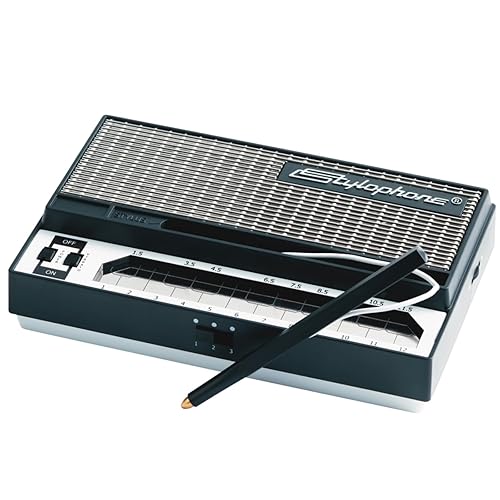

At a glance
| Stylophone Original Pocket Synthesizer | Stylophone S-1 | |
|---|---|---|
| Our score | 9.6/10 | 9.1/10 |
| Best for | Hands-on sound design and making basslines, leads and pads, standalone | Hands-on sound design and making basslines, leads and pads, standalone |
| Not ideal for | Anyone wanting a workstation, a stage piano, or a software-only setup | Anyone wanting a workstation, a stage piano, or a software-only setup |
| Brand | Stylophone | Stylophone |
Sound and Synthesis
Stylophone Original Pocket Synthesizer
Sound from the Sound on the Stylophone Synthesizer is shaped by its synthesiser keyboard, and that keyboard-to-sound mapping is what gives the instrument its distinct electronic character. Each note triggers a consistent synth-style tone rather than an acoustic response, so pitch changes keep the sound steady. The core pocket design limits detailed timbre shaping, resulting in a recognisable, single-style electronic output rather than a broad range of effects.
Stylophone S-1
Sound from this synthesizer is shaped by its use as a pocket synthesizer, so the experience centres on quick, simple tones rather than studio-style, fine-grain control. Notes are delivered fast, and the sound character remains consistent across short phrases. The S-1 suits basic melodic lines, simple bass-like parts, and light rhythmic patterns. Shaping options are limited, making nuanced timbres harder to reach. For hands-on exploration, the S-1 enables experimentation through changing patterns and timing. For complex studio workflows, expectations should be adjusted.
Playability and Controls
Stylophone Original Pocket Synthesizer
Playability is driven by the Stylophone Original Pocket Electronic Synthesizer being a pocket synth built for quick handheld sessions rather than deep studio-style control. The playing surface is simple and keyboard-like, making it straightforward to trigger notes and shape sound in the moment. Setup is fast because it is designed to be picked up and played immediately, with basic adjustment options available during use. Fine-grained performance shaping is limited, so detailed expression over longer passages is harder to maintain without external tools, and fast hand movement can affect accuracy during extended runs.
Stylophone S-1
Playability and Controls on the Stylophone focus on immediate, hands-on tone-making, building on the quick tone approach discussed earlier. The controls are straightforward for direct use, and the pocket form supports short practice sessions. Notes are triggered by direct contact, so the response feels quick, while dynamics depend on how consistently the player maintains pressure and hand position. For basic parts, the instrument can be managed with one hand, with the other hand available to help keep time or steady the stance when playing standing. It suits beginners, though players looking for consistent long notes may find articulation takes more care.
Connectivity and Sequencing
Stylophone Original Pocket Synthesizer
Connectivity options on the Stylophone Synthesizer are aimed at simple, hands-on music making rather than laptop-style setup, since it is a pocket synth designed to be used quickly. For sequencing, the title does not mention a built-in sequencer, step memory, or recording, so it is not stated; the most direct approach implied by the design is real-time playing with the keyboard. Patterns can be planned by repeating short phrases and using pauses between lines to create structure.
Stylophone S-1
Connectivity and sequencing on the synthesizer are not a major focus based on the provided product information, so any support for external gear, MIDI, synchronisation, clocking, or app-based control is not stated. That means most players plan around what the instrument itself can do, using direct hand operation to create parts in real time, and then arranging them around their own timing (for example, by recording takes and layering them later). There is no stated workflow for step sequencing, clock sync, or software control, so performers usually rely on manual performance structure. If multi-track results are required, timing has to be handled outside the synth using external recording software or hardware, then edited accordingly.
Form Factor and Build
Stylophone Original Pocket Synthesizer
The Stylophone Original Pocket Electronic Synthesizer keeps its design deliberately compact, and it is built as a pocket electronic synthesiser intended for quick, on-the-go use rather than a larger keyboard format. The small body supports hands-on playing, with controls that sit close together to encourage fast access. This compact layout can make more precise finger movements harder, particularly during longer sessions. Overall, the portability comes from the pocket-sized form, while the tight control spacing demands careful playing.
Stylophone S-1
Form factor and build matter on the Stylophone because it shapes how the instrument fits into a hands-on setup, where quick, direct playing is the main use. Its pocket-synth size makes it easy to transport, and the included carry case is designed to protect it from everyday knocks. The handheld layout is geared towards finger-driven control, keeping the performer close to the sound source. Build quality comes across as practical for regular use, though long sessions may feel cramped, depending on individual hand size and posture.
Who Is This Synthesizer For?
Stylophone Original Pocket Synthesizer
This pocket electronic synthesizer is for people who want a small, portable instrument built around fast, direct hands-on access rather than a full-size keyboard setup. It suits beginners looking to try out basic melody ideas, where the compact interface keeps the learning curve manageable even when the full feature set is not spelled out. It also works for experienced players who want a lightweight sketch tool away from home. For anyone who requires deep, detailed control, large-scale chord work, or long hands-on sessions, expectations should be managed, because only a "pocket synth" form factor is specified.
Stylophone S-1
The synthesizer is best suited to people who want an easy, hands-on pocket synthesizer for quickly capturing music ideas, particularly when they will be playing close to the instrument rather than setting up a larger rig. It is also aimed at beginners who prefer immediate sound, with learning focused more on touch and simple exploration than on extensive setup. The included carry case supports buskers and travellers who need a compact, portable unit. It may be less suitable for players who require studio-style control, complex programming, or detailed editing options.
Stylophone Original Pocket Synthesizer: pros
- Hands-on, standalone sound design - no computer needed
Cons
- A learning curve to master deeper sound design
- Focused synth, not a do-it-all workstation
- It's a synth for sound design, not a stage piano or arranger
Stylophone S-1: pros
- Hands-on, standalone sound design - no computer needed
Cons
- A learning curve to master deeper sound design
- Focused synth, not a do-it-all workstation
- It's a synth for sound design, not a stage piano or arranger
Our verdict
Our pick is the Stylophone Original Pocket Synthesizer (our score 9.6/10) - A characterful synthesizer (pocket synth) for hands-on synthesis. The Stylophone S-1 is still worth it if it is cheaper when you check, or if it better matches your specific needs.